
The cooking oil is used on a regular basis is something many people don’t think about. You can pick the one closest to you and expect it to accomplish everything. Actually, oils perform in a different way depending on the heat, flavour, and fat composition. Knowing these different characteristics is the most effective method to improve your cooking at home.
The decision should not be based on headlines or trends. The decision should be according to the effectiveness of each oil in the actual cooking situations.
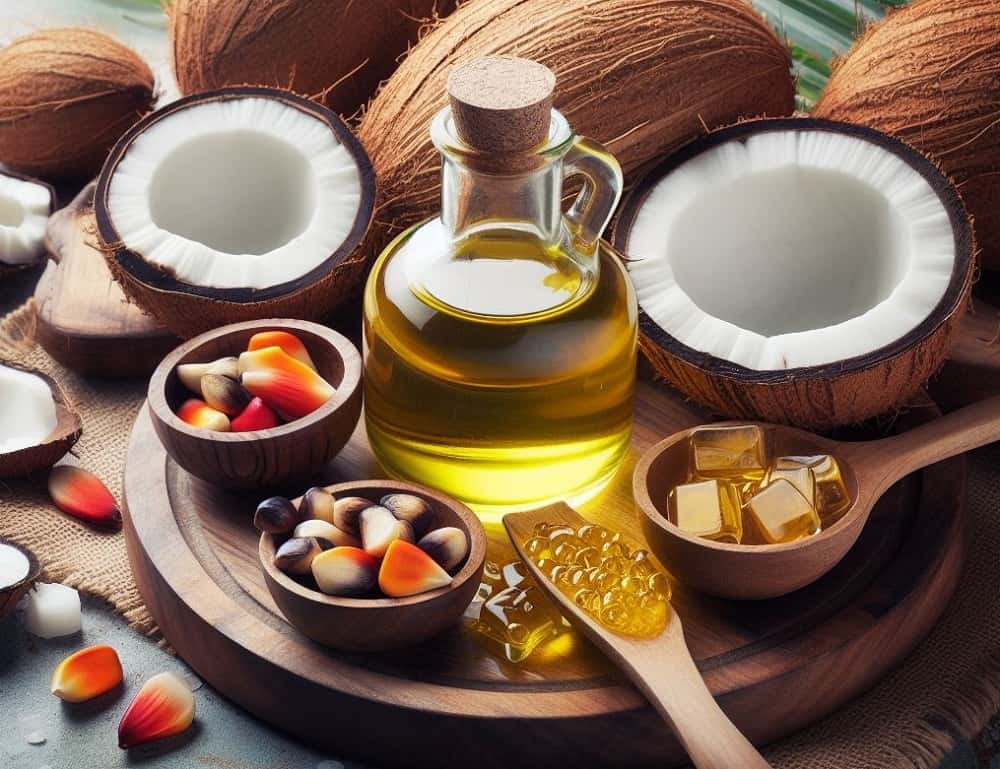
The importance of choosing an oil is far greater than you realize
Cooking oil performs three major purposes. It is a conduit for heat from the oven into the food. Second, it contributes flavour at a subdued or significant level. It also affects the nutritional value, depending on the type of fat and how stable it is when heated to high temperatures.
When oil gets too hot it doesn’t smoke, it breaks down. This decreases the nutritional value of the oil and can result in unpleasant flavors. If you make the wrong choice of oil, your food will taste bitter, bland, or greasy.
Olive Oil to cook: Use with a purpose
Olive oil is a widely-used and well-researched cooking oil. Made by pressing olives it has a significant amount of monounsaturated fatty acids, along with antioxidants, such as polyphenols and vitamin E.
Extra virgin olive oil has a distinctive flavor, often fruity and sometimes peppery flavor that can be peppery or fruity. Olive oil is great to cook with, and is particularly good in marinades and salad dressings. You can use it to roast vegetables, sauté lightly or to finish off dishes. In these situations the flavor enhances the food instead of getting obscured.
The smoke point of extra virgin olive oils is less than many people believe. For cooking with higher heat refined olive oils work better. It is softer in flavor and has a greater heat tolerance. This makes it ideal for higher temperature frying, roasting, and baking.
Olive oil is healthy and tasty ingredient when used appropriately.
Coconut Oil: Stable but Specific
Coconut oil is very different than olive oil. The high saturated fat content makes it extremely stable upon heating. This stability is the main reason people choose coconut oil for cooking.
Refined coconut oils possess an extremely mild flavor and are excellent for baking, frying and other situations in which stability of heat is an important factor. Coconut oils that are not refined retain an intense aroma and a distinct flavor of coconut. Its flavor is an advantage in certain dishes, such as curries, stir-fries, or desserts, but it can be a problem with meals that are savoury when used in a hurry.
Coconut oil should not be used as a mainstay on a regular basis. It is preferential to only use it for occasional. It’s a winner in high heat but doesn’t have the same antioxidant profile as avocado oil or olive oil.
Avocado Oil It is neutral and heat-friendly.
Avocado oil has gained popularity largely because of how well it withstands heat. The avocado oil’s smoke point is among the highest oils used. This makes it ideal for searing and grilling.
The nutritional value of avocado oil is rich in monounsaturated fats. It also contains vitamin E. This puts it on a par with olive oil than coconut oil when it comes to health benefits. Its flavour is neutral and mild, making it a great choice when you don’t want oil to alter the taste of food.
Avocado oil is a fantastic option to cook at high heats.
Using Oils the Smart Way
There is no one oil that is ideal for every task. It is better to have a variety of options and to make use of them all.
Avocado oil is best to cook in high-temperatures. Avocado oil is ideal for high-heat cooking. Coconut oil has a place where heat stability and its distinct flavor is required.
Knowing these differences eliminates the guesswork from cooking, and results in more consistent outcomes.
Better Cooking Starts With Better Basics
A good meal doesn’t require expensive ingredients or intricate techniques. Small, well-informed decisions taken consistently are the most vital.
Knowing when to utilize coconut, avocado, or olive oil when cooking can enhance your taste and texture, as well as overall confidence. When you know how oils behave, cooking is significantly easier and more enjoyable.